
Planning an office move can be challenging, but with the right steps, it’s very achievable. This guide on how to plan an office move project will help you navigate through key stages such as creating timelines, forming a moving team, conducting inventories, and managing IT systems. Let’s dive in to make your office move seamlessly and efficiently.

Key Takeaways

  • Establishing a clear timeline with key milestones is essential for a successful office move, helping to coordinate various aspects and minimise disruptions.
  • Forming a dedicated moving team with assigned roles ensures accountability and streamlines the relocation process.
  • Effective communication with stakeholders and strategic packing is crucial to maintaining business continuity and ensuring a smooth transition to the new office.

Step 1: Establish a Clear Timeline

A project manager planning an office move timeline with a checklist.

The foundation of any successful office move is a detailed and well-thought-out timeline. Start by creating an office move timeline that outlines key milestones and deadlines. This timeline should include your move-out and move-in dates, along with sufficient time allocated for packing, transportation, and setup.

Consider critical factors such as lease agreements, potential downtime, and the availability of your new office space to avoid any last-minute surprises. Addressing these elements early in the planning process ensures a smoother transition.

A clear timeline keeps your team on track and coordinates all aspects of the move effectively. This guide helps you plan your office move meticulously, minimising disruptions and maximising efficiency.

Step 2: Form a Dedicated Moving Team

An office move requires a dedicated team to manage and oversee the relocation process. Begin by assembling a team of reliable individuals who will take charge of different aspects of the move. This team should include representatives from various departments to ensure a comprehensive approach.

Assign specific roles and responsibilities to each team member to ensure accountability and efficiency. A project manager should lead the team, coordinating efforts across departments and acting as the central point of contact throughout the move. This organisational structure helps streamline the office moving process, making sure nothing falls through the cracks.

A committed moving team helps tackle the complexities of office relocation more effectively. This approach distributes the workload and ensures every detail is attended to, paving the way for a successful office move.

Step 3: Conduct a Comprehensive Inventory

Before you start packing, conduct a comprehensive inventory of all office assets. This includes furniture, equipment, supplies, and any other items that will be moved. A detailed inventory helps you keep track of everything, preventing losses or confusion during the move.

Identify which items need to be moved, replaced, or discarded. This step is crucial in decluttering your office and ensuring that only necessary items are transported to the new location. A thorough inventory is a crucial part of your office move checklist, aiding in a smoother transition.

Step 4: Choose the Right Relocation Partner

A team discussing options for choosing the right relocation partner for an office move.

Choosing a reliable moving company is essential for a successful office move. An experienced moving company can significantly ease your relocation woes. Research and compare different office relocation service providers to find one that meets your specific requirements.

Search for moving companies with a proven track record, positive reviews, professional affiliations and accreditation. These factors indicate a reliable partner capable of handling the intricacies of your office relocation.

A good relocation partner assists with the physical move and provides valuable insights and support throughout the process. This collaboration ensures that your office move is executed efficiently, minimising downtime and disruptions.

Step 5: Plan the Layout of Your New Office

A layout plan for a new office space being discussed by a team.

Designing the layout of your new office is an exciting yet critical task. Collaborate with your team to create a floor plan that optimises office space. Factors like workspace allocation, meeting rooms, and storage needs ensure a functional and efficient layout.

Share this plan with your movers to ensure correct placement upon arrival. A well-planned office layout and floor plans enhance productivity and contribute to a positive working environment in new offices, including the right office furniture. Incorporating office moves into your strategy can further streamline the process.

This step is vital for ensuring a successful transition to your new office space.

Step 6: Notify Stakeholders

Communication is key during an office move. Notify all relevant stakeholders about your upcoming office movement. This includes employees, clients, vendors, and service providers. Informing everyone helps manage expectations and reduces potential disruptions.

Update your new office address on your website, business cards, and other official documents. Official notice to all stakeholders ensures a smooth transition and helps maintain business continuity. Clear communication is crucial for a successful office relocation.

Step 7: Pack Strategically

Packing is a critical part of any office move. Pack office items systematically to avoid confusion during unpacking. Start by packing non-essential items first and gradually move to essential items as the moving date approaches.

Label boxes clearly with their contents and designated locations in the new office. This strategic packing approach streamlines the relocation plan and ensures a smooth unpacking process. A well-organised packing strategy is crucial for a successful office move.

Step 8: Manage IT and Communication Systems

Managing IT and communication systems is vital for an office move. Coordinate with your IT team to ensure a smooth transition of communication systems and technology. Backup all data and schedule the setup of phones, internet, and computers in the new office.

Ensuring your tech equipment and access control systems are operational from day one is crucial for maintaining business operations. Proper IT and communication systems management is essential for a seamless office relocation.

Step 9: Schedule the Move
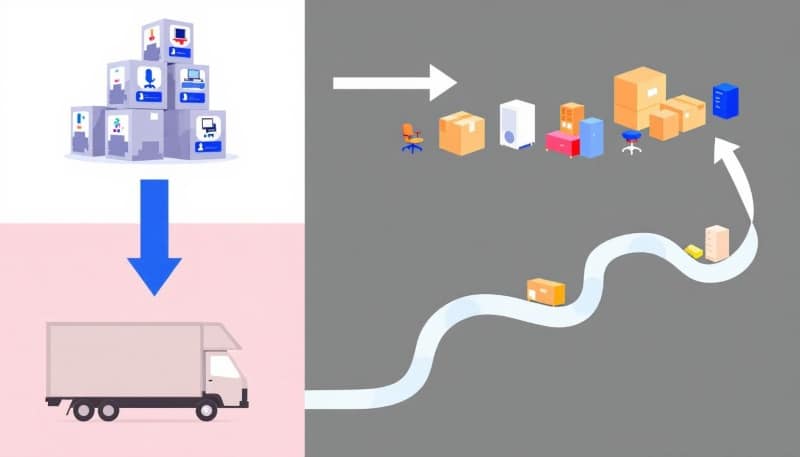
a moving truck being loaded with office equipment for a scheduled move

On a moving day, it’s crucial to ensure everything runs according to plan. Monitor the loading and unloading process closely and address any issues promptly to avoid delays. A detailed office move checklist keeps everything on track.

Make sure to book parking space permits and coordinate with building management to avoid any disruptions due to elevator maintenance or other factors. Careful scheduling ensures a smooth transition to your new office location.

Step 10: Settle In and Review

Once the move is complete, focus on settling into your new office. Conduct a walkthrough to ensure everything is in place and address any discrepancies with movers. This step identifies issues early and ensures a smooth setup of your new workspace.

Gather employee feedback to identify areas for improvement. This feedback is invaluable for making adjustments and enhancing the office environment. A thorough review post-move helps in achieving a successful office setup.

Summary

An office move doesn’t have to be overwhelming. Proper planning, communication, and execution ensure a successful office relocation. Following this guide and partnering with professionals like Universal Commercial Relocation ensures a seamless and stress-free transition.

Planning an office move involves several critical steps, from establishing a clear timeline to settling into your new office. Each step in this guide is designed to help you navigate the complexities of office relocation smoothly.

By following these strategies, you can ensure a successful and efficient office move. Remember, proper planning and execution are key to a seamless transition.

If you need assistance with your upcoming office move, contact Universal Commercial Relocation today and let us take the hassle out of your transition. Visit our company website for more information and to get started on your stress-free office move.

Frequently Asked Questions

When planning an office move, ensure you consider budgeting, timelines, and communication strategies. This guide on what to consider when planning an office move covers essential factors like IT setup, employee engagement, and post-move activities for a smooth transition.

Key Takeaways

  • Careful planning, including budgeting and communication, is essential for a smooth office move.
  • Involving employees and providing clear updates boosts morale and minimises disruptions during the transition.
  • Testing systems and organising unpacking effectively ensures a seamless settling into the new office environment.

Complete Guide: What to Consider When Planning an Office Move

A team discussing what to consider when planning an office move.

Introduction

This guide provides a checklist for managing an office move effectively, offering comprehensive assistance throughout the process. Office relocation involves strategic planning to avoid disruptions and ensure smooth operations. Businesses gain more productive space, a conducive working environment, and better brand control through moving offices and office moves.

Following this guide will help you navigate the entire process smoothly, from start to finish, with actionable tips and insights on key factors for a successful office move.

Key Factors for a Successful Office Move

Key aspects of a successful office move include timelines, budgets, and communication strategies. Coordination with movers and data security are also critical for a smooth transition.

This guide explores ten key factors that can determine the success of your office relocation.

Timing is crucial. Moving outide office-hours will reduce the impact on daily operations, but may not always be an option. Coordinating logistics with both current and new building managers ensures smooth loading and unloading.

Coordination with movers, suppliers and employees ensures everyone is prepared for moving day. Plan ahead and consider parking availability at both locations to avoid last-minute issues.

Establishing a budget and determining moving needs is the initial step in planning an office move. Clearly outlining expenses helps avoid unexpected costs. Creating a budget plan or using an office budget calculator can assist in estimating move costs.

Obtaining multiple quotes from reputable, suitably-accredited and trade-affiliated moving companies ensures services match your needs and helps manage project costs effectively. Ensuring that your chosen mover holds the British Standard in Commercial Moving (BS 8522) and is a member of the British Association of Removers Workplace Moving Group are good starting points in choosing and appointing your relocation partner.

Effective communication minimises disruptions and fosters teamwork during an office move. A communication plan ensures all stakeholders, including clients and vendors, are informed. Regular updates can reduce employee anxiety and confusion.

Open communication and keeping everyone informed are essential. Collect employee feedback through surveys and meetings to address concerns. Regular updates reduce uncertainty.

Backing up all data prevents loss during the transition. Disconnect and pack computers and servers safely to avoid damage. If you don’t have internal IT staff to carry out these tasks, your workplace relocation partner should be more than able and willing to assist. Checking that your partner holds BS 27001 in Information Security will add peace of mind.

Set up internet and phone services at the new office to ensure network connectivity, maintain seamless operations and safeguard tech equipment.

A thoughtful office layout enhances productivity and supports collaboration. Incorporating collaborative spaces fosters teamwork, and flexible office furniture arrangements optimise space and productivity.

Decluttering and auditing existing space resources is crucial in the initial planning phase. This helps in designing an effective office layout and ensures a smooth transition. Your appointed relocation company should be able to support in space-planning, file-mapping, recycling and disposal of any surplus to requirement items, stationery, furniture and IT equipment.

Your relocation partner should offer comprehensive insurance for your move to meet your needs, but be sure to confirm whether this cost is included or additional to the proposed relocation charge in their quote and that the coverage is sufficient to meet your requirements.

Compliance with building management policies ensures a smooth moving process. Obtaining a full breakdown of rules and adhering to safety regulations reduces risks and ensures legal compliance.

Advance notice for security arrangements ensures safety during the move.

Involving employees increases engagement and support. Designate an in-office moving team to delegate tasks and define roles. Regular meetings allow employees to express concerns.

Employees may need training sessions to adapt to the new setup. Assign team leaders and responsibilities to ensure clear task assignments. Your appointment relocation company will be experienced in liaising with move champions in readiness for a successful move.

An organised packing and labelling system reduces chaos and simplifies unpacking. Clear labelling helps movers handle items correctly, reducing damage risk.

Colour-coding labels improve efficiency by making contents and destinations easier to identify and should be available as part of the project from your relocation partner.

Movers can also assist with packing and unpacking services and materials if required.

Testing all systems and equipment after the move helps identify and resolve issues quickly. A trial run ensures technology and systems function correctly in the new location.

Testing network connectivity, especially for remote work setups, ensures seamless operations.

Your appointed mover should have an in-house IT move team who can assist not only with IT relocation but also associated services such as WEEE recycling, patching, cabling, PAT-testing and FAT-testing.

Creating a Detailed Moving Timeline

An office move timeline should include important dates, milestones, and tasks. Early and detailed planning streamlines the process. A well-organised checklist avoids stress and ensures smooth transitions.

Begin packing non-essential items weeks before the move and use this as an opportunity to declutter, archive paperwork and dispose of redundant kit. Plan logistics and key steps the week before moving day. Ensure employees have access to the timeline to stay informed.

Begin planning your office move at least 6 months before the planned date to ensure adequate preparation. Research potential new locations, relocation partners and create a comprehensive office move checklist to ensure a smooth transition.

Include timelines, budgets, and responsibilities in your detailed office move plan. Early preparations should involve researching and comparing moving companies to find the best options.

Finalise plans, notify stakeholders, and gather packing materials. Ensure proper communication with internal and external parties about the relocation.

Source packing supplies from stores or obtain free boxes from various places or enquire what your relocation partner can provide to assist.

Appointing a mover as early as possible ensures you gain the most benefit and support from your relocation partner.

The larger the move, the earlier they need to be appointed so they assist as early as possibly with project planning.

Prepare essential tasks and finalise logistics. Move non-essential items like plants and bulk supplies beforehand to simplify the moving day. Order keys and employee access cards in advance.

Receiving access cards and keys before moving in ensures a seamless transition.

Managing the Moving Day

A moving truck unloading equipment on moving day.

Ensure everything is prepared for the movers the day before the move. Being well-prepared ensures a smooth transition. Local smaller moves typically can be completed in a day, depending on the circumstances. More complex, larger scale or longer distance moves will require more time.

Safety and security are top priorities during an office move. Obtain a full breakdown of building rules from management. Moving hours may be restricted to non-business hours. Ensure everything goes smoothly to facilitate a successful transition.

Be present at the old office during the move to guide the moving company, manage loading orders, and ensure safety as a project manager. Responsibilities include moderating the move, informing movers about the loading order, and identifying fragile items.

Review the schedule, tasks, arrival time, and item loading order, and address on-site supervision needs with the moving team on a moving day.

Check for left items, document damage, return keys, and (if applicable) confirm lease termination. The decommissioning plan should include cleaning and restoring the office to its original condition, removing cables, fixtures, signs, logos, and furniture, repairing property damage, and replacing burnt-out lightbulbs.

Discuss the decommissioning plan with your moving team early to ensure a smooth process.

Ensure all office spaces are cleaned, organised, and ready for employees. Confirm that necessary supplies, including office materials and stationery, are stocked. Implement a systematic approach to unpacking and organising, prioritising important areas.

Test all newly installed equipment and systems for proper functionality. Provide employee training on safety practices in the new workplace.

Conduct a walk-through of the new office to ensure everything is ready for operations.

Settling into Your New Office Space

Give everything in the office a trial run. Test technology and troubleshoot issues. Check-in with the team, ask for feedback, and maintain morale. Be patient and flexible during the transition. Ongoing support from office relocation specialists is available.

Settling into a new office requires time and patience. A structured approach ensures a smooth transition and creates a positive working environment for your team.

Efficient unpacking and organising reduce downtime and help employees adapt quickly. A systematic packing and labelling approach ensures items are correctly place in their new locations by your movers.

A well-organised unpacking process allows businesses to resume operations quickly. Plan ahead and use packing materials, packing paper, and packing tape to secure items during the move.

Effective communication throughout the move maintains employee morale and keeps everyone informed. Support seamless connectivity for remote employees. Setting up a new workspace can be stressful and tiring for employees.

Appoint ‘Change Champions’ to facilitate communication and support during the transition. This helps maintain company culture and ensures all team members feel valued and supported.

Celebration is in order after completing your office move. Hosting an office warming party is a great way to celebrate a successful office move. Budgeting a small party after the move is a practical way to encourage celebration.

A welcome event after moving helps acknowledge the efforts of employees and fosters a sense of community.

Summary

A successful office move requires careful planning, effective communication, and a well-organised approach. By considering the key factors and following a detailed timeline, you can ensure a smooth transition and create a positive working environment in your new office space. Remember, the journey of an office move is not just about relocating; it’s about embracing change and setting the stage for future growth. Here’s to your successful office move!

Frequently Asked Questions