
Planning an office move generally requires 6 to 12 months to effectively determine the timeline for the transition, although the size and complexity of the move can lengthen or shorten this. This timeframe allows for addressing all critical steps, ensuring a seamless move with minimal disruption. In this guide, we’ll outline the essential steps to achieve a successful office relocation.

Key Takeaways

  • A successful office relocation typically demands at least 6 to 12 months of preparation to reduce stress, maintain business continuity, and manage budgets effectively.
  • Establishing a clear timeline and assigning responsibilities, along with early communication with employees, is vital for a smooth transition.
  • Hiring professional moving services and setting up a proper IT infrastructure are crucial to minimising disruptions and maintaining business operations during the move.

Why Proper Planning is Essential for a Successful Office Move

Effective planning can greatly alleviate the stress and uncertainty that often accompanies an office relocation. Imagine the chaos of encountering last-minute issues or unforeseen expenses that could have been avoided with some foresight. Planning an office move at least 12 months in advance is recommended for larger projects to streamline the process and ensure all details are considered.

An office relocation is more than just moving furniture and equipment; it involves comprehensive stakeholder management and strategic workplace strategies to ensure business continuity. Early planning and attention to detail are crucial for a successful office move, as they allow you to address potential challenges before they become problems. Setting a budget early is vital, as an office move can represent one of a business’s largest investments. A detailed budget helps avoid unexpected costs and financial surprises during the move.

Proper planning ensures the move is on time and within budget, minimising downtime and productivity loss. It’s not just about the logistics of moving but also about ensuring that your business continues to operate smoothly throughout the transition.

Careful planning, organisation, and communication are key to a smooth office relocation. Investing time in these areas guarantees a move that aligns with business goals and minimises disruptions.

Establishing Your Timeline for an Office Move

Establishing a realistic timeline is crucial. It serves as the first step in planning an office move. The office moving process can vary in length. It may take a few weeks or extend to several months, depending on the move’s size and complexity. Start preparing for an office move at least 6 to 12 months in advance to ensure a smooth transition. After finding a new office space, creating a move plan and timeline becomes essential.

A well-defined timeline helps to avoid last-minute rushes and ensures that all phases of the move are completed on time. Key steps, expert tips, and emphasising timelines can significantly contribute to a smooth and efficient relocation. One month before the move, ensure a checklist of essential tasks has been prepared. Final preparations and contingencies should be finalised one week before the move to ensure that all logistics are in order.

It’s also important to consider potential delays and remain flexible in your planning to accommodate any unforeseen circumstances. A detailed checklist helps stay organised and ensures no critical steps are missed during the move.

By establishing a clear timeline, you can manage the moving process more effectively and reduce the likelihood of unexpected issues.

Assessing Your Current Lease and New Office Lease

Understanding the terms of your current and new lease agreements is vital to prevent legal and financial complications. If your current lease isn’t up yet, consider the potential loss of deposits, repair responsibilities, and property damage liabilities. Notify your current landlord about the move as soon as you confirm the move date to ensure a smooth transition.

Be mindful of the typical notice period required by your current landlord, which can range from one to six months. Adhering to lease conditions during the decommissioning of your current office can help avoid legal complications.

Thoroughly assessing your current and new office leases ensures a seamless transition and avoids surprises.

Setting Key Dates for the Move

Before:

Identifying significant dates is crucial, including lease termination and moving day, to maintain a smooth transition. It is important to identify key dates for an office move. These dates include the current lease termination, preferred move date, new lease signing, new office build-out start and finish, and completion date. Securing the moving date early ensures the reservation with the moving company, avoiding any last-minute scheduling conflicts.

After:

Identifying significant dates is crucial for a smooth transition during an office move. Key dates to consider include:

  • Current lease termination
  • Preferred move date
  • New lease signing
  • New office build-out start and finish
  • Completion date

Securing the moving date early ensures the reservation with the moving company, avoiding any last-minute scheduling conflicts.

Update business services like utilities and cleaning to reflect the new office address. Setting and adhering to key dates allows for effective coordination and timely arrangements.

Creating a Detailed Budget

Before:

Setting a budget in advance helps manage expected expenses and prepares for unforeseen costs. When relocating an office, there are several clear costs to factor in. These include expenses for removal firms, security deposits, rent, interior design fees, and new furniture. An estimated relocation budget should include all potential expenses related to the office move.

After:

When relocating an office, there are several clear costs to factor in:

  • Expenses for removal firms
  • Security deposits
  • Rent
  • Interior design fees
  • New furniture

An estimated relocation budget should include all potential expenses related to the office move.

Identify non-negotiables and potential areas to scale back to save money when setting a budget for an office move. The purchasing process during the office move should clearly define who will make the purchases and how vendors will be paid.

The office relocation project manager should have decision-making authority and experience in managing budgets. Periodically reviewing the relocation budget ensures that it stays on track as expenses arise.

Assembling Your Office Relocation Team

Creating your moving team very early in the office relocation process is crucial for effective planning. Begin planning with the office relocation manager three to four months before the moving date to handle logistics smoothly. Assign responsibilities clearly to each team member, defining their specific roles to handle logistics for the move.

Including members from various departments in an office relocation committee helps to ensure effective oversight and communication during the move. Provide team members with essential information such as access codes, keys, floor plans, and emergency contact details.

Utilising a good office move manager can streamline logistics and planning for the relocation. Select departmental ‘move champions’ to facilitate adaptation and assist with the transition in larger organisations.

Appointing a Project Manager

The role of a project manager in an office relocation is to coordinate tasks and ensure efficient communication. A project manager is responsible for overseeing the moving process, ensuring that all tasks are completed on schedule and within budget.

The in-office move coordinator should possess strong organisational skills and the authority to make decisions regarding the move. Selecting a great organiser with decision-making authority as the project manager is critical to the success of the office move.

Assigning Specific Responsibilities

Before moving day, employees should be encouraged to pack gradually to reduce last-minute stress. Gradual packing allows employees to manage their workload without added pressure as the move date approaches. Allocating tasks to team members is crucial for a streamlined office move. Effective communication and clear role definitions are essential for a successful move.

Each team member should have a specific role and responsibilities, such as packing, coordinating with the moving company, or setting up the new office space. By clearly defining these roles, you can ensure that everyone knows what is expected of them and that nothing is overlooked during the move.

Communicating with Employees About the Upcoming Move

Communication of the move to employees helps minimise anxiety and ensures a smoother transition to the new workspace. Regular communication with employees about the move helps maintain morale and prepares them for changes in work arrangements. A transparent communication plan makes employees feel involved and reduces anxiety during relocation.

Inform employees about the moving date, new office address, and changes to their daily routines. Proper communication with internal and external parties should be prioritised during the 3-6 months before moving day. Keeping employees informed during an office move is important as it maintains morale and minimises disruption.

Announcing the Move Early

Announce the move early and provide regular updates to reduce employee uncertainty and anxiety. The initial email announcement to employees must include several important details. These include the new office address, the moving date, key features of the new office, the reason for the move, and key dates for the moving process. Early notifications about the office move should inform employees of the relocation date and specific reasons, helping them adjust and prepare.

Notify relevant groups such as clients, suppliers, and service providers about the office move to keep them informed. Communication about the move should begin once the moving date is decided, and follow-up meetings can be held for feedback and questions.

Providing relocation guides and support can assist employees in adapting to the new office environment at our new office location.

Addressing Employee Concerns

Engage employees throughout the move by encouraging them to keep the relocation in mind when planning or taking on new projects. Invite employee input on the new office layout and amenities to make them feel valued in the planning process. Allow employees a few hours off the day before the move to reduce stress and improve morale.

Acknowledge employee requests for changes in workspace needs or work style preferences during the move. Take into account employees’ health restrictions for lifting boxes to avoid injuries. Ensure employees have the necessary packing supplies to facilitate the packing process.

Encourage employees to pack a little bit at a time to make the process more manageable.

Preparing for the Physical Move

Address health restrictions to ensure safety, especially for those who may struggle with physical tasks. Coordinate loading and unloading times to avoid conflicts and ensure an efficient relocation. Essential supplies such as boxes, crates, tape, and labels are needed for packing during an office move. If there is insufficient space for certain items during the office move, consider reserving a commercial storage unit near the new office. Alternatively, your office moving company may well be able to supply storage, often at a cheaper rate than commercial sotrage facilities.

Clear a path and moderate the move on moving day to assist the movers effectively. Disconnecting, transferring, and setting up tech and utilities are technology tasks necessary during an office move. Review the moving schedule and tasks with the team on moving day to ensure smooth operations. Before the move, notify current vendors to discontinue or transfer their services. Ensure utility services such as internet and phone are set up at the new office prior to your moving day.

Arranging for parking space permits and local licenses well in advance can help avoid delays on moving days. Everything should be packed and ready for relocation by the day before the office move. On a moving day, you should feel well-prepared to handle any unexpected issues.

Collect all necessary items such as company keys, parking passes, and access cards before the office move. Pack non-essentials early before the office moves to streamline the process.

Conducting an Inventory Check

Create an inventory of all items, label equipment, and conduct a stock check. Labelling equipment during inventory checks ensures items are easily recognisable and organised. Conduct a final stock check before moving day to confirm that all items are accounted for.

This step is crucial to avoid any last-minute confusion and ensure that everything is in order. A detailed inventory will help you keep track of all office supplies, furniture, and equipment during the move, making the unpacking process more efficient.

Downsizing and Decluttering

Items that are no longer needed should be purged and can be tagged for sale or donation. Downsizing and decluttering streamline the moving process and reduce the costs of transporting unnecessary items. Consider evaluating items based on their usage and necessity. If they haven’t been used for a certain period, they may not be essential.

Decluttering not only helps in reducing the physical load of the move but also creates a more organised and efficient new workspace. By getting rid of non-essential items, you can make the transition to the new office space smoother and more stress-free.

Engaging Professional Help for Your Office Move

Hiring professional movers simplifies and makes the process more efficient. Professional movers enhance efficiency and minimise stress during the move. Services provided for office moves include packing, moving, deconstruction, and reconstruction.

Clients can expect a unique and personalised moving service from professional moving companies. An effective office move team should include an internal project manager, a property solicitor (depending on the scale and complexity of the move), an IT specialist, and a removal team.

Choosing a Reliable Office Moving Company

Choosing a dependable office moving company is essential. It plays a crucial role in ensuring the success of your relocation.

When choosing a moving company, consider:

  • Referrals
  • Reviews
  • Professional accreditation
  • Licensing
  • Insurance

Additionally, look for a removal service provider who is a member of the British Association of Removers and holds the BS8522 accreditation, the British Standard certification for commercial moving services. This ensures a high level of professionalism and adherence to industry standards.

Verify that any hired moving company is properly licensed and insured. Get at least three quotes to compare when selecting a moving company.

A clear idea of your moving budget early on is helpful when talking to moving companies. Decide on the type of moving company that meets your needs before creating your project plan. It’s important to select the best full-service office movers as part of your project plan. The moving company needs to have public liability insurance. Additionally, it should also provide goods in transit cover.

A full-service mover assigns a professional move coordinator to oversee the relocation. This person manages all the details involved in the physical move. Confirming the move date with your moving team ensures coordination of moving logistics.

Understanding Moving Insurance Options

Public liability and goods in transit coverage are essential types of insurance for office relocations. Any damage noticed post-move should be reported promptly to the moving company. A removal and storage insurance policy can provide extra coverage during an office move. Moving insurance is essential to protect your office assets from potential damage during the move.

Understanding moving insurance options and ensuring adequate coverage provides peace of mind during relocation. It ensures that any potential losses or damages are covered, allowing you to focus on other aspects of the move.

Ensuring Business Continuity During the Move

Following a suggested timeline minimises unnecessary stress during the office move. Careful planning and communication maintain business operations during an office move. Key strategies to minimise disruption include planned actions to ensure business operations continue smoothly. It’s important to recognise that moving can be stressful for employees, which may impact daily operations.

Once moving day arrives, you will relocate to the new office. This will allow you to set up and get back to business promptly. The main focus after moving day should be on getting the last few things set up to resume business operations. By prioritising business continuity, you can ensure that your business remains fully operational during and after the move.

IT and Technology Considerations

Planning for IT and telecom systems involves transferring services and ensuring the new office has adequate infrastructure. Start the tech move as early as possible to minimise disruptions. Involving IT professionals ensures a smooth setup and minimises disruptions.

Relocation of IT infrastructure is critical for minimising disruption during the office move. Disconnecting and reconnecting tech equipment is a major complication when moving to a new office space. Plan regarding whether the IT team can set up computers internally or if outside help is needed.

Conducting a cybersecurity risk assessment before the move is crucial for protecting sensitive company data. The in-house IT team or serviced office IT relocation team should be appointed to set up IT equipment during the move.

Setting Up the New Office Space Efficiently

Consider IT capabilities, facilities, utilities, and infrastructure when planning the office floor layout. Blueprint the office space and consider layout changes before finalising. Make adjustments to the original office floor plan as needed, utilising a color-coding and numbering system for the organisation. Include a redesign of office style, reorganised layouts, and revamped furniture in your relocation plan to streamline the process.

The impact of office decoration and lighting significantly affects employee engagement and retention. Considering employee workstations and collaborative spaces in the new office layout is vital for productivity. By planning the new office setup efficiently, you can create a workspace that promotes productivity and employee satisfaction.

Post-Move Checklist for a Smooth Transition

A thorough post-move checklist is crucial for ensuring a smooth transition into the new office environment. Essential tasks include verifying the delivery condition of office furniture and equipment upon arrival.

It’s important to ensure all employees have access to their new workstations promptly after the move. Confirming that all technological devices are functioning properly is a key step after moving.

Unpacking and Organizing

Unpacking should be systematic to ensure that all items are placed correctly according to a pre-planned layout. Tasks assigned to the post-move team include removing tags, unpacking, stocking kitchen and restrooms, and stocking supply cabinets. After unpacking, it’s crucial to test phone systems, computers, servers, and printers to ensure technology is operational.

Designated zones for paperwork and office supplies help maintain organisation after unpacking. Efficiently organising the new office space ensures a smooth transition and a productive work environment.

Updating Your Company Information

You should start updating documents with your new address as soon as you know your new address. Update marketing materials like the website, online citations, brochures, stationery, and business cards to reflect your new office address. Confirm that you notify everyone of the move, update your online presence, and adjust stationery accordingly.

Promptly updating your company website information ensures clients, suppliers, and stakeholders are aware of your new location. This helps maintain business continuity and prevents any confusion or disruption in communication.

Summary

In summary, proper planning, clear communication, and engaging professional help are crucial for a successful office move. By establishing a realistic timeline, creating a detailed budget, and assembling a dedicated relocation team, you can streamline the moving process and minimise disruptions. Communicating with employees and addressing their concerns ensures a smooth transition and maintains morale.

Following the steps outlined in this guide will help you navigate the complexities of an office relocation and ensure a successful move. From planning your office move to setting up the new space efficiently, these strategies will support your business goals and create a productive work environment. Embrace the change and look forward to the opportunities that come with your new office space.

Frequently Asked Questions

Relocating your servers is a multifaceted endeavour that demands meticulous planning to avoid interruptions to your operations. Our server relocation checklist encapsulates every essential phase, from preliminary planning and asset inventory to post-move system testing. Adhere to our guide to guarantee a seamless server relocation with minimised downtime.

Key Takeaways

  • Formulate a detailed server relocation strategy encompassing timelines, budgets, roles, and backup plans to ensure a well-organised and effective move.
  • Execute a comprehensive inventory of all hardware and software, documenting essential specifics to avert loss and confusion throughout the relocation.
  • Emphasise effective communication with stakeholders and collaborate with internet service providers to ensure connectivity requirements are met for a smooth transition.

Develop a Detailed Server Relocation Strategy

The foundation of any successful data centre relocation is a meticulously crafted server room relocation strategy. This plan should clearly articulate key goals, including the timeline, budget, and other vital components. A detailed timeline with specific tasks and deadlines is crucial for maintaining project momentum. Ensure the budget encompasses all facets, including hardware upgrades, networking enhancements, and vendor services.

Assigning roles and responsibilities is equally crucial. A dedicated project manager should oversee the relocation project to meticulously manage every detail. Clearly defined roles enable each team member to understand and appreciate their tasks and responsibilities, facilitating coordination and minimising confusion for the IT team.

Contingency plans are indispensable. Backup plans for various scenarios can mitigate risks and ensure a smoother transition if complications arise. Keeping everyone informed through a comprehensive communication plan enhances the likelihood of a successful relocation.

Conduct a Thorough Inventory of Hardware and Software

Conduct a comprehensive inventory of all existing hardware and software before relocating your servers. Often neglected, this step is essential for a successful data centre migration. A complete equipment inventory and necessary backups help prevent complications during the move.

There are multiple methods for inventorying your assets, including manual or software-based, or a hybrid combination of the two. Regardless of the approach, maintaining a detailed record of all hardware and software components is crucial. Document existing hardware and software settings, including condition, size, weight, and serial numbers, prior to relocation.

Log the condition and ownership of each asset during the inventory process. Document the configurations and connections of all components to maintain access to critical information during relocation. Identify components that will be replaced or upgraded during the move. A comprehensive inventory minimises the risk of losing items during transfer. Include infrastructure and applications in your inventory for a complete evaluation.

Backup Data and Systems

Backing up data and systems is a critical step in any data centre relocation. Backups minimise the risk of unexpected data loss. A well-structured backup strategy ensures all critical data is captured before the move, preventing data loss.

Testing backups before relocation verifies their integrity and reliability during emergencies. This step mitigates risks and protects against data loss or corruption. Maintaining multiple backup copies in different locations is another best practice. This strategy protects against localised incidents that could compromise your data.

It’s advisable to keep at least two copies of your backup in different locations. Following these steps ensures data protection and smooth business operation with minimal downtime during relocation.

Evaluate New Location Requirements

Evaluate the site’s space, power, and temperature needs before relocating your servers. Check for redundancy in power supplies and cooling systems during infrastructure assessments to ensure high availability. A thorough site evaluation identifies potential infrastructure challenges, ensuring the new data centre supports operational demands.

Adequate physical security measures at the new site are critical for protecting sensitive data and equipment. Compliance with local regulations on data storage and processing is another key factor when evaluating a new data centre location. The new data centre’s design should accommodate growth, including plans for increased power capacity and additional cooling solutions.

Verify connectivity to essential services, including internet and power, to prevent operational disruptions post-relocation. Identify potential issues and determine IT infrastructure requirements, including Cat 5/6 cables, phone lines, and power outlets, during a site visit. Conduct this visit 2-3 months before moving to ensure all requirements are met in advance.

Coordinate with Internet Service Providers

Coordination with internet service providers (ISPs) is crucial in the relocation process. Contact ISPs well in advance to arrange network connectivity. Reach out to ISPs about two months before the move and network carriers at least 30 days in advance.

Review connectivity requirements to ensure alignment with the new site’s architecture. Verify the new office meets line capacity needs to support the expected network load.

Update contact information with IT service providers and technology vendors to inform them about the new location. This proactive approach secures the necessary services for a smooth transition.

Communicate with Stakeholders

Effective stakeholder communication is vital for a successful server relocation. Establish a communication plan with specific channels and frequency tailored to stakeholder preferences. Engage stakeholders early and provide consistent updates on the migration timeline and potential impacts.

Use various communication tools, such as emails, newsletters, and meetings, to ensure information reaches all stakeholders. Include feedback mechanisms that allow stakeholders to voice concerns and provide input throughout the migration process.

Recognising stakeholder contributions and successes fosters positive relationships during relocation. Document all communications and decisions to maintain transparency and accountability.

Secure Packaging and Transport

Securing IT equipment for transport is crucial for data protection and a smooth transition. Use secure packaging materials like anti-static foam and anti-static bubble wraps or bubble bags and sturdy boxes for transporting IT equipment. Custom crates designed for specific server sizes enhance protection during transport. Bubble wrap is commonly used for its cost-effectiveness and flexibility in cushioning server racks.

Shipping blankets help absorb impacts during transit, providing additional protection for server equipment. Cardboard or foam corners provide vital edge protection during shipping. Vehicles with air-ride suspension ensure safe transport of server equipment.

Label and pack IT equipment securely. Ensure safe transport and arrival at the new location without any issues. This careful approach minimises disruption and maximises data protection during relocation.

Prepare the New Site

Preparing the new site in advance ensures a smooth transition. Setting up new networks in advance reduces troubleshooting time during migration. Updating rack diagrams before the move ensures clarity in equipment setup and prevents potential confusion.

Create detailed port assignment lists to streamline reconnections after moving equipment. A clear understanding of the target server area layout is essential for effective network and power management. Thorough preparation for the new environment ensures a seamless transition and quick IT infrastructure setup.

Test and Validate Systems

After equipment placement, test and validate your systems. A test migration ensures seamless relocation by validating the new environment. Validation checks during relocation ensure network, compliance, and security requirements are met. Reconfigure transported and new IT equipment as per new requirements after verifying arrival.

Validate performance, security, and resilience in the new data centre before going live. Monitor hardware, software, and other components to ensure optimal IT performance post-relocation. Test all hardware, software, network devices, and phone lines to confirm correct functionality in the new location. Address any issues encountered during IT infrastructure testing promptly to ensure functionality.

Transition to the new production environment involves changing networking traffic policies and modifying IP addresses, URLs, or hard-coded routing data after tests pass. Post-relocation testing ensures systems behave as required. This thorough approach helps troubleshoot issues early, ensuring a smooth transition.

Update Documentation

Post-relocation, updating documentation is critical. Documentation during server relocation helps teams think through the process and keeps all stakeholders informed. Accurate documentation prevents errors during system operations post-relocation.

After moving IT infrastructure, revise documentation to reflect the new configuration. Document all changes made to the infrastructure during relocation in real time to maintain accuracy. Ensure all relevant stakeholders have access to updated documentation to keep everyone informed post-relocation.

Regular documentation audits ensure ongoing accuracy and relevance in the new environment. Incorporating user feedback on documentation aids in identifying areas needing clarification or additional detail.

Post-Migration Review

Conduct a thorough review of the migration process post-migration. Post-migration reviews aim to optimise future migrations and IT projects. Post-migration management should involve proactive monitoring to confirm system functionality. Gathering staff feedback on performance post-migration is crucial for identifying operational issues.

Involving stakeholders in post-migration assessments helps identify operational challenges and successes. Insights from post-migration reviews can inform improvements for future data centre moves. Documenting lessons learned post-migration enhances future data relocation strategies.

Considering Universal Commercial Relocation Services

Utilising Universal Commercial Relocation’s professional services for server relocation can significantly enhance efficiency and reduce costs. Their experienced team can mitigate the risks associated with server migration, ensuring a smooth transition. By leveraging Universal’s comprehensive relocation services, businesses can achieve a quicker return to full operational capacity while focusing on their core operations.

Universal Commercial Relocation offers end-to-end solutions, assisting with everything from planning and inventory management to transportation and setup. It is highly recommended that businesses seek a seamless and efficient relocation process to engage their services.

Summary

Relocating your servers is a multifaceted task that demands meticulous planning and execution. From developing a detailed server relocation strategy to conducting a post-migration review, each step is crucial for ensuring a seamless transition. By following this comprehensive checklist, you can minimise downtime, safeguard your data, and ensure a smooth migration.

Remember, the key to a successful server relocation lies in preparation and communication. Engaging with stakeholders, coordinating with service providers, and considering professional services can significantly enhance the relocation process. With this guide, you’re well-equipped to tackle your server relocation project with confidence and ease. Ready to make your move?

Frequently Asked Questions

Planning an office move can be challenging, but with the right steps, it’s very achievable. This guide on how to plan an office move project will help you navigate through key stages such as creating timelines, forming a moving team, conducting inventories, and managing IT systems. Let’s dive in to make your office move seamlessly and efficiently.

Key Takeaways

  • Establishing a clear timeline with key milestones is essential for a successful office move, helping to coordinate various aspects and minimise disruptions.
  • Forming a dedicated moving team with assigned roles ensures accountability and streamlines the relocation process.
  • Effective communication with stakeholders and strategic packing is crucial to maintaining business continuity and ensuring a smooth transition to the new office.

Step 1: Establish a Clear Timeline

A project manager planning an office move timeline with a checklist.

The foundation of any successful office move is a detailed and well-thought-out timeline. Start by creating an office move timeline that outlines key milestones and deadlines. This timeline should include your move-out and move-in dates, along with sufficient time allocated for packing, transportation, and setup.

Consider critical factors such as lease agreements, potential downtime, and the availability of your new office space to avoid any last-minute surprises. Addressing these elements early in the planning process ensures a smoother transition.

A clear timeline keeps your team on track and coordinates all aspects of the move effectively. This guide helps you plan your office move meticulously, minimising disruptions and maximising efficiency.

Step 2: Form a Dedicated Moving Team

An office move requires a dedicated team to manage and oversee the relocation process. Begin by assembling a team of reliable individuals who will take charge of different aspects of the move. This team should include representatives from various departments to ensure a comprehensive approach.

Assign specific roles and responsibilities to each team member to ensure accountability and efficiency. A project manager should lead the team, coordinating efforts across departments and acting as the central point of contact throughout the move. This organisational structure helps streamline the office moving process, making sure nothing falls through the cracks.

A committed moving team helps tackle the complexities of office relocation more effectively. This approach distributes the workload and ensures every detail is attended to, paving the way for a successful office move.

Step 3: Conduct a Comprehensive Inventory

Before you start packing, conduct a comprehensive inventory of all office assets. This includes furniture, equipment, supplies, and any other items that will be moved. A detailed inventory helps you keep track of everything, preventing losses or confusion during the move.

Identify which items need to be moved, replaced, or discarded. This step is crucial in decluttering your office and ensuring that only necessary items are transported to the new location. A thorough inventory is a crucial part of your office move checklist, aiding in a smoother transition.

Step 4: Choose the Right Relocation Partner

A team discussing options for choosing the right relocation partner for an office move.

Choosing a reliable moving company is essential for a successful office move. An experienced moving company can significantly ease your relocation woes. Research and compare different office relocation service providers to find one that meets your specific requirements.

Search for moving companies with a proven track record, positive reviews, professional affiliations and accreditation. These factors indicate a reliable partner capable of handling the intricacies of your office relocation.

A good relocation partner assists with the physical move and provides valuable insights and support throughout the process. This collaboration ensures that your office move is executed efficiently, minimising downtime and disruptions.

Step 5: Plan the Layout of Your New Office

A layout plan for a new office space being discussed by a team.

Designing the layout of your new office is an exciting yet critical task. Collaborate with your team to create a floor plan that optimises office space. Factors like workspace allocation, meeting rooms, and storage needs ensure a functional and efficient layout.

Share this plan with your movers to ensure correct placement upon arrival. A well-planned office layout and floor plans enhance productivity and contribute to a positive working environment in new offices, including the right office furniture. Incorporating office moves into your strategy can further streamline the process.

This step is vital for ensuring a successful transition to your new office space.

Step 6: Notify Stakeholders

Communication is key during an office move. Notify all relevant stakeholders about your upcoming office movement. This includes employees, clients, vendors, and service providers. Informing everyone helps manage expectations and reduces potential disruptions.

Update your new office address on your website, business cards, and other official documents. Official notice to all stakeholders ensures a smooth transition and helps maintain business continuity. Clear communication is crucial for a successful office relocation.

Step 7: Pack Strategically

Packing is a critical part of any office move. Pack office items systematically to avoid confusion during unpacking. Start by packing non-essential items first and gradually move to essential items as the moving date approaches.

Label boxes clearly with their contents and designated locations in the new office. This strategic packing approach streamlines the relocation plan and ensures a smooth unpacking process. A well-organised packing strategy is crucial for a successful office move.

Step 8: Manage IT and Communication Systems

Managing IT and communication systems is vital for an office move. Coordinate with your IT team to ensure a smooth transition of communication systems and technology. Backup all data and schedule the setup of phones, internet, and computers in the new office.

Ensuring your tech equipment and access control systems are operational from day one is crucial for maintaining business operations. Proper IT and communication systems management is essential for a seamless office relocation.

Step 9: Schedule the Move

a moving truck being loaded with office equipment for a scheduled move

On a moving day, it’s crucial to ensure everything runs according to plan. Monitor the loading and unloading process closely and address any issues promptly to avoid delays. A detailed office move checklist keeps everything on track.

Make sure to book parking space permits and coordinate with building management to avoid any disruptions due to elevator maintenance or other factors. Careful scheduling ensures a smooth transition to your new office location.

Step 10: Settle In and Review

Once the move is complete, focus on settling into your new office. Conduct a walkthrough to ensure everything is in place and address any discrepancies with movers. This step identifies issues early and ensures a smooth setup of your new workspace.

Gather employee feedback to identify areas for improvement. This feedback is invaluable for making adjustments and enhancing the office environment. A thorough review post-move helps in achieving a successful office setup.

Summary

An office move doesn’t have to be overwhelming. Proper planning, communication, and execution ensure a successful office relocation. Following this guide and partnering with professionals like Universal Commercial Relocation ensures a seamless and stress-free transition.

Planning an office move involves several critical steps, from establishing a clear timeline to settling into your new office. Each step in this guide is designed to help you navigate the complexities of office relocation smoothly.

By following these strategies, you can ensure a successful and efficient office move. Remember, proper planning and execution are key to a seamless transition.

If you need assistance with your upcoming office move, contact Universal Commercial Relocation today and let us take the hassle out of your transition. Visit our company website for more information and to get started on your stress-free office move.

Frequently Asked Questions

Need to relocate your IT equipment? This guide covers everything from planning to execution to ensure your business continues running smoothly. Learn best practices for secure and efficient IT equipment relocation.

  • IT equipment relocation requires meticulous planning and execution to ensure business continuity and protect sensitive data.
  • Comprehensive relocation services include pre-move assessments, asset management, and post-relocation testing to minimise downtime and operational disruptions.
  • Choosing the right IT relocation company with experience, transparent pricing, and specialised services is essential for a smooth and efficient transition.
An overview of IT equipment relocation services, showcasing secure solutions.

When it comes to IT equipment relocation, efficiency and security are paramount. The process involves more than just moving hardware; it’s about ensuring business continuity and protecting sensitive data. IT relocation services are designed to address these needs, providing customised solutions that cater to the specific requirements of each business. From server relocation to comprehensive data centre relocations, these services are essential for minimising disruptions and maintaining operational stability.

A well-executed IT relocation plan includes detailed timelines, roles, and required resources to streamline the process. This meticulous planning helps in reducing delays and ensures a smooth relocation. Additionally, project management support from IT relocation companies plays a crucial role in overseeing the entire operation, from procurement to deployment. This holistic approach not only simplifies the relocation but also enhances overall efficiency.

Integrated office moving services further ease the transition by incorporating space planning and fit-out solutions. These services ensure that the new workspace is ready for immediate use, minimising downtime and allowing employees to resume their work without significant interruptions. Addressing logistics coordination and employee support, IT relocation services offer a comprehensive solution for a seamless transition into the new environment.

Welcome to the ultimate guide to IT equipment relocation. Moving your IT systems to a new location is a complex process that requires meticulous planning and execution. This guide will walk you through the essential steps and best practices to ensure a smooth and secure transition.

From the initial pre-move assessment to the final installation and testing, every phase is critical to the success of the relocation. Whether you are upgrading your hardware or simply moving to a new office, this guide provides the insights and strategies needed to manage the process efficiently and effectively.

Key steps in the IT equipment relocation process.

Successful IT equipment relocation hinges on a series of carefully planned and executed steps. Each phase, from pre-move assessments to final installation, requires detailed attention to ensure a smooth relocation. The process begins with a thorough evaluation of the current IT infrastructure to identify potential challenges and optimise the move. This is followed by the dismantling and packing of equipment, which must be handled with precision to avoid damage.

Creating a comprehensive timeline is essential for efficiently coordinating each phase of the relocation. This timeline should include all pre-move assessments, dismantling, packing, and transportation stages, ensuring each step is scheduled effectively. IT relocation companies often provide project management support to streamline these processes, ensuring that all aspects of the move are covered and executed flawlessly.

The final step involves the transportation and installation of IT equipment at the new location. This phase requires close coordination with the client’s IT and facilities teams to ensure all systems are set up correctly and are fully functional. Proper cabling and configuration are critical to ensuring that the equipment operates efficiently from the moment it’s installed.

By following these key steps, businesses can achieve a smooth relocation, minimising disruptions and maintaining business continuity.

A thorough pre-move assessment is the cornerstone of a successful IT relocation. This phase involves evaluating the current IT infrastructure to identify potential challenges and ensure compatibility with the new location. Conducting a detailed site audit helps in understanding the specific requirements of the new environment, allowing for tailored solutions that meet the organisation’s needs.

By addressing these aspects early on, businesses can prevent issues that might arise during the actual move, ensuring a smoother transition.

The dismantling and packing phase is crucial for protecting IT equipment during the move. Certified specialists ensure that all equipment is carefully dismantled and wrapped to avoid any potential damage. Special packing techniques, such as using anti-static bubble bags and custom IT crates, are essential for safeguarding sensitive components from physical shocks and electromagnetic interference during transportation.

To further minimise the environmental impact, many IT relocation services now use biodegradable, recycled, or reusable packing materials. This eco-friendly approach not only protects the equipment but also aligns with sustainable business practices. By employing these techniques, businesses can ensure that their IT assets are moved safely and responsibly, reducing the risk of damage and loss.

Transportation and installation are the final steps in the IT relocation process. Teams work closely with clients’ IT and facilities teams to ensure a smooth relocation. On the moving day, all cabling connections and configurations are recorded to ensure proper IT equipment functionality. This meticulous attention to detail ensures that the equipment is ready for immediate use upon arrival at the new location.

Upon arrival, the installation process involves reconnecting IT systems to ensure the IT functions correctly. Support is provided for a smooth and sustainable transition, ensuring that the new IT infrastructure meets user needs and is fully operational.

By following these steps, businesses can achieve a seamless transition with minimal disruption to their operations.

Minimising downtime is a critical aspect of IT equipment relocation. Effective planning and coordination are essential to prevent disruptions to business operations. Comprehensive IT relocation services aim to minimise downtime by ensuring that all phases of the move are meticulously planned and executed. Establishing a dedicated relocation team that includes representatives from various departments can help coordinate efforts and ensure a seamless transition.

Data centre relocation, in particular, involves moving critical hardware, servers, and networking components while minimising downtime. By following best practices such as creating detailed timelines, securing data backups, and conducting thorough testing and validation, businesses can ensure that their IT systems are up and running with minimal disruption.

These practices not only safeguard business continuity but also enhance the overall efficiency of the relocation process.

Creating a detailed timeline is essential for efficiently coordinating each phase of the IT equipment relocation.

This timeline should include:

  • All pre-move assessments
  • Dismantling
  • Protecting and packing
  • Transportation
  • Unpacking and reinstallation

Ensuring each step is scheduled effectively. Careful planning and regularly reviewing the timeline helps identify potential delays or issues, allowing for timely adjustments to minimise downtime.

Clear communication among team members is also crucial to ensure everyone is on track throughout the move.

Backup and data security are paramount during an IT relocation. Implementing comprehensive backup strategies is essential to safeguard critical data against loss during the relocation process. Creating backups of critical data before the move ensures quick recovery in case of disruptions. Additionally, secure data destruction is vital for preventing unauthorised access to sensitive information.

Ongoing technical support post-relocation is crucial to optimise the performance and security of IT equipment. Implementing strict access controls and maintaining operational security throughout the relocation process helps prevent data breaches and ensures compliance with relevant regulations. By prioritising data security, businesses can protect their valuable information and maintain business continuity.

Testing and validation are essential to ensure that all IT systems function correctly after relocation. Implementing a comprehensive backup and disaster recovery strategy is crucial to safeguard data during the move. Conducting tests on backup restorations before relocation helps ensure that data can be retrieved if needed. Rigorous post-relocation testing ensures that all IT systems meet operational requirements and function correctly.

Testing IT systems in the new location before employees arrive helps identify and resolve issues ahead of time. Running tests on essential systems, such as email and collaboration tools, is vital to ensure operational readiness.

Regular maintenance and updates post-relocation are also necessary to ensure the longevity of IT infrastructure. By following these best practices, businesses can achieve minimal downtime and maintain business continuity.

Choosing the right IT relocation company for your business needs.

Choosing the right IT relocation company is crucial for a smooth and successful move. Look for a company that offers a wide range of services, including server moves and complete data centre relocations. Ensure the company employs a specialist team of IT specialists to oversee the relocation. A dedicated project manager is essential for ensuring efficient server relocation processes. Certified Technical Relocation Specialists should handle the actual relocation of IT equipment to ensure safety and efficiency.

When evaluating potential companies, check for their experience in IT relocation services to gauge reliability. A strong track record in handling similar relocations is a vital indicator of the company’s reliability. By choosing a reputable IT relocation company, businesses can ensure a smooth relocation with minimal disruptions and maximum efficiency.

Researching potential IT relocation partners involves evaluating their reputation and experience through industry networks and client testimonials. When selecting an IT relocation company, it’s essential to verify their experience, specifically in managing IT relocations. A strong track record in handling similar relocations is a vital indicator of an IT relocation company’s reliability.

By choosing a provider with significant experience, businesses can ensure a smooth and efficient relocation process.

The company should offer the specific IT relocation services you need. Look for providers that can handle server relocation, data centre migration, and other logistical support services. Comprehensive service offerings ensure that all aspects of the move are covered, from dismantling and packing to transportation and installation.

Additionally, ongoing technical support is crucial for maintaining business operations and addressing any issues that arise during the relocation.

Transparent pricing is essential for a smooth IT relocation process. Quotations should be clear and detailed, with no hidden costs. A reputable IT relocation company should provide a breakdown of costs to ensure there are no unexpected expenses. Gathering quotations that clearly outline all costs helps in better budgeting and smoother operations.

By choosing a company with transparent pricing, businesses can avoid unexpected expenses and ensure a cost-effective relocation.

Specialized services for data centre relocation.

Data centre relocations present unique challenges that require specialised services to be addressed effectively. Moving critical hardware, servers, and networking components demands meticulous planning and execution. IT relocation services can range from moving a single server to managing an entire data centre migration, ensuring minimal downtime and reliable transitions. These specialised services are essential for addressing the complexities involved in data centre relocations, ensuring a smooth transition with minimal disruption.

Secure transportation and asset management are critical components of data centre relocations. Specialised services for data centre relocation encompass secure transportation, asset management, and cleaning and maintenance.

IT relocation companies often include ancillary services like cable management and asset management to ensure all aspects of the move are covered. By employing these specialised services, businesses can ensure that their data centres are relocated efficiently and securely, maintaining business continuity throughout the process.

Proper packing is essential to prevent damage and unauthorised access during the transportation of sensitive IT equipment. Utilising anti-static and protective materials ensures that electronic components are safeguarded from physical shocks and electromagnetic interference. Secure transportation involves dedicated vehicles monitored by GPS to ensure the safety and tracking of the equipment during transit. Implementing secured access and monitoring systems during transportation enhances the security of sensitive equipment, providing peace of mind and ensuring smooth relocation.

Systematic installation protocols are crucial for ensuring that transported equipment operates effectively in the new location. By following these protocols, businesses can ensure that their IT infrastructure is set up correctly and is fully functional upon arrival, minimising downtime and maintaining business continuity.

These best practices in secure transportation are essential for a successful IT relocation.

Implementing effective asset-tracking strategies is crucial for overseeing all equipment throughout the relocation process. A detailed inventory of hardware is essential for tracking and managing assets during relocation. Documenting configurations and dependencies aids in efficient asset management, ensuring that all components are accounted for and set up correctly in the new location.

By maintaining an accurate inventory of IT assets, businesses can ensure a smooth and efficient relocation process, minimising the risk of loss or damage.

Post-relocation, specialised cleaning services are essential to maintain the optimal performance of IT equipment. Regular cleaning services are necessary to remove dust and debris that can affect equipment functionality.

Maintenance services ensure that IT equipment operates at peak performance, enhancing the longevity and efficiency of the infrastructure. By investing in cleaning and maintenance services, businesses can ensure that their IT systems remain reliable and efficient long after the relocation.

Sustainable practices in IT equipment relocation.

Sustainable and secure IT relocation practices are essential for minimising environmental impact and ensuring legal compliance. IT relocation companies often provide project management and IT asset disposal as part of their additional services, helping businesses manage their relocations responsibly. From eco-friendly disposal methods to robust data security measures, these practices ensure that IT relocations are both environmentally sustainable and operationally secure.

Comprehensive IT relocation services include secure data destruction, environmentally responsible recycling, and adherence to legal regulations. By implementing these practices, businesses can ensure a smooth and secure transition to their new location while maintaining compliance with relevant laws and regulations. This approach not only protects the environment but also enhances the security and efficiency of the relocation process.

Organisations should prioritise secure data destruction and environmentally responsible recycling when disposing of IT equipment. Properly recycling electronic waste helps conserve natural resources and reduce the environmental impact of IT equipment disposal.

Sustainable disposal methods, such as recycling and safe processing of electronic waste, help minimise environmental impact and ensure compliance with environmental regulations. By adopting these eco-friendly practices, businesses can achieve a cost-effective and environmentally responsible IT relocation.

Adhering to legal regulations is crucial for organisations handling personal data during IT equipment disposal. Compliance with data privacy laws, such as the Data Protection Act 2018 and General Data Protection Regulation (GDPR), is essential to avoid data breaches and legal repercussions. Additionally, organisations must follow the Waste Electronic and Electrical Equipment Directive (WEEE) to ensure environmentally compliant disposal.

By implementing secure destruction methods for confidential waste, businesses can maintain compliance and protect sensitive data.

Implementing robust backup solutions and data security measures is essential to protect critical business data during IT equipment relocation. Using methods for secure transportation of sensitive data centre equipment is vital to maintain operational security throughout the move.

Effective asset management strategies help keep track of all equipment during the relocation, minimising the risk of loss. By ensuring compliance with legal regulations and maintaining operational security, businesses can achieve a smooth and secure IT relocation.

Choosing an IT relocation company that offers a comprehensive range of services ensures a smooth transition. These services may include server migration, system configuration, and other logistical support to facilitate the move. By selecting a provider that can offer a variety of services tailored to meet specific IT relocation needs, businesses can ensure that all aspects of the move are covered and executed efficiently.

Comprehensive IT relocation services not only simplify the relocation process but also enhance the overall efficiency and security of the move. Integrated office moving services, custom design and build solutions, and secure commercial storage options are just a few of the additional services that can support a seamless transition.

By leveraging these services, businesses can achieve a successful IT relocation with minimal disruption to their operations.

Office moving services include integrated design and build services, space planning, project management, procurement, fit-out, and furniture fitting. These integrated services provide a comprehensive solution for businesses transitioning to a new location, ensuring that all aspects of the move are coordinated and executed efficiently. By utilising these services, businesses can minimise disruptions to their operations and ensure a seamless transition into the new workspace.

Integrated office moving services facilitate a smooth adaptation to the new environment, allowing employees to resume their work with minimal interruptions. By addressing every aspect of the move, from logistics coordination to space planning and fit-out, these services ensure that the new office is ready for immediate use, enhancing overall efficiency and productivity.

Custom design services are essential for creating workspaces that align with a company’s culture and operational needs. A thorough needs assessment allows for customisation that considers both functionality and aesthetics, ensuring that the new workspace meets the specific requirements of the business.

Modern build techniques and materials enhance workspace efficiency and sustainability, providing a cohesive and efficient outcome. By integrating design and build services, businesses can streamline the setup process and ensure that their new workspace is both functional and visually appealing.

Secure storage solutions are essential for protecting IT equipment during temporary or long-term storage. Commercial storage solutions include containerised and racked storage, as well as enhanced options for high-value items. By providing secure storage of equipment, businesses can ensure that all items are kept safe before their deployment, minimising the risk of damage or theft.

These storage solutions are crucial for maintaining the integrity and security of IT assets during the relocation process.

In summary, IT equipment relocation requires meticulous planning, specialised services, and a thorough understanding of best practices to ensure a smooth and secure transition. From pre-move assessments to post-relocation testing, every phase is critical to minimising downtime and maintaining business continuity. By choosing the right IT relocation company and leveraging comprehensive services, businesses can achieve a successful relocation with minimal disruption to their operations. Embrace the opportunities that come with IT relocation, and ensure your business is well-prepared for the future.

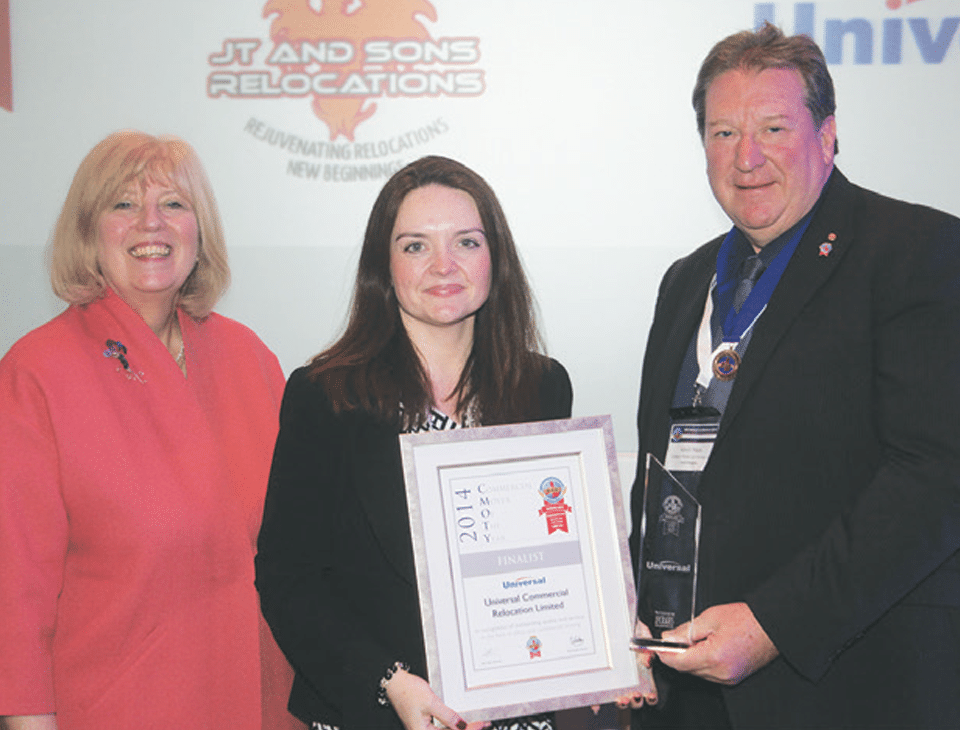
Universal announced as a finalist in the British Association of Removers Commercial Mover of The Year 2013 Awards.   Sarah Cole collects the finalist award on behalf of Universal Commercial Relocation from Conference Keynote Speaker Catherine McKinnell, the MP for Newcastle on Tyne North, and Shadow Treasury Minister, and John Mitchell of Pluscates.

View the article