Wondering how to get rid of confidential waste securely in the UK? Proper disposal of sensitive documents like personal data, financial records, and legal papers is essential to prevent data breaches and comply with UK laws. In this guide, we’ll explore the key methods and best practices for handling confidential waste in the UK.
Key Takeaways
- Managing confidential waste in the UK requires secure disposal methods for personal data, financial records, and legal documents to prevent identity theft and ensure compliance with regulations.
- Utilising professional shredding services, including on-site and off-site options, is crucial for the secure destruction of sensitive documents and maintaining regulatory compliance in the UK.
- Implementing a confidential waste disposal policy, which includes staff training and regular audits, is vital for protecting sensitive information and meeting legal obligations such as GDPR compliance in the UK.
Identifying Confidential Waste
Confidential waste encompasses documents containing sensitive information, and improper disposal can lead to identity theft or data breaches. In the UK, getting rid of confidential waste involves managing various types of data, including personal data, financial records, and proprietary information.
An efficient, confidential waste management system ensures compliance with UK regulations and safeguards sensitive information from unauthorised access.
Personal Data
Personal data includes sensitive information such as names, addresses, phone numbers, National Insurance numbers, medical records, employee files, and application forms. Documents containing personal details, whether they belong to employees or clients, need to be shredded to protect privacy and comply with data protection laws like the General Data Protection Regulation (GDPR).
Financial Records
Financial records are another category of sensitive documents that require secure disposal. These consist of bank statements, credit card information, tax returns, and financial reports. These documents offer a detailed view of one’s financial situation. Securely destroying these documents prevents data breaches and unauthorised access to sensitive information.
Legal Documents
Legal documents, such as contracts, litigation materials, and legal correspondence, contain highly sensitive information that must be securely disposed of to prevent unauthorised access. Securely destroying these documents protects confidential information and ensures legal compliance in the UK.
Methods for Secure Disposal of Confidential Waste

Secure disposal of documents containing confidential information is crucial to protecting sensitive data and ensuring compliance with UK regulations. Various methods can be employed to dispose of confidential waste securely, including shredding, destroying digital media, and using secure bins and containers.
These methods ensure that managing confidential waste is conducted securely and responsibly.
Shredding Paper Documents
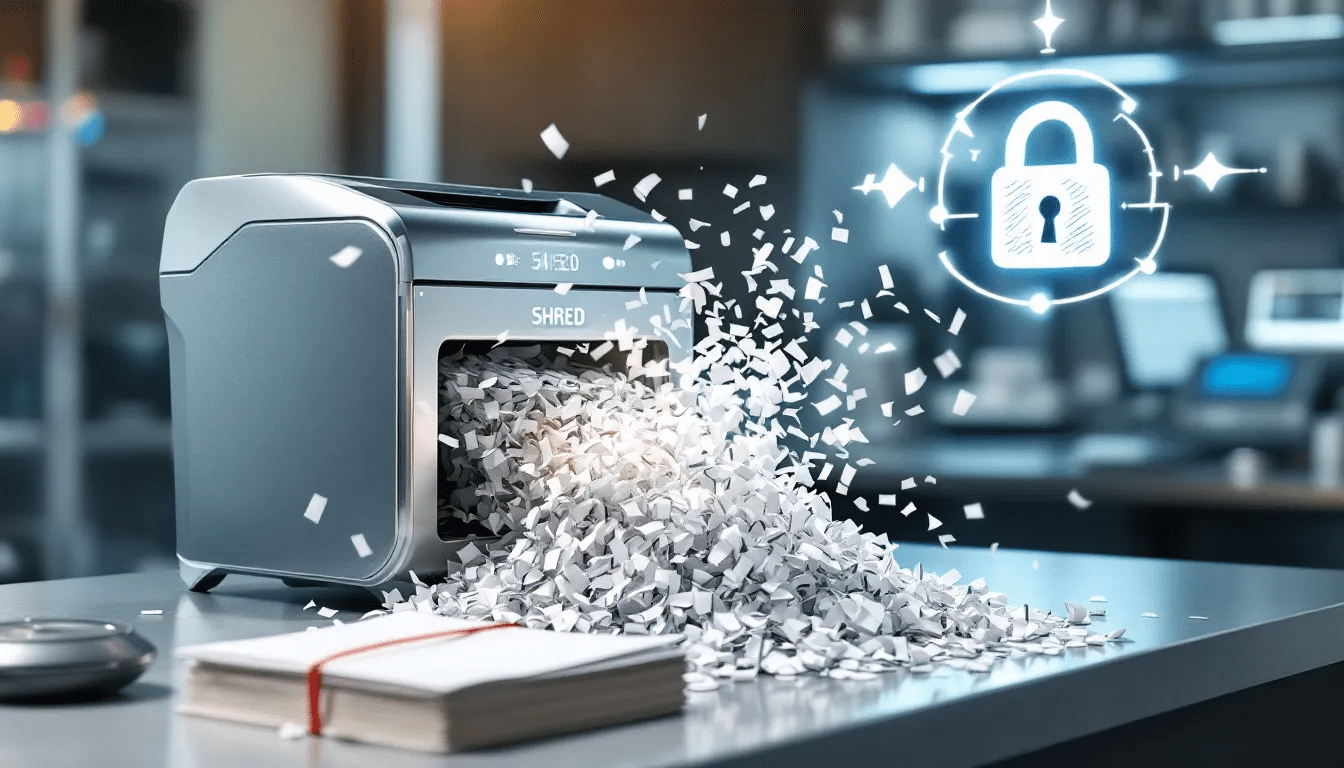
Shredding paper documents is one of the most effective methods for protecting sensitive information and preventing unauthorised access. Cross-cut or micro-cut shredders offer higher security than strip-cut shredders, making it harder to reconstruct shredded pieces. For businesses, employing professional shredding services ensures that documents are destroyed securely and in compliance with UK regulations.
Shredding companies or companies such as Universal and its sister company, Information Storage Solutions, that offer Document Destruction Services, often as part of a workplace relocation project, can provide reliable disposal solutions for both personal and office use. They provide various services, including one-time shredding for large volumes of documents and regular collection services for ongoing needs. These services help businesses manage confidential waste effectively and protect sensitive information from unauthorised access.
Destroying Digital Media
Secure destruction of digital media is essential to prevent data breaches. This practice is as important as shredding paper documents. Items such as CDs, USB drives, and hard drives must be destroyed properly to ensure that data cannot be recovered.
Methods for destroying electronic media include degaussing, crushing, and using specialised shredders designed for digital media.
Using Secure Bins and Containers
Lockable and tamper-proof containers prevent unauthorised access to confidential waste. Fire-resistant, regularly emptied bins and containers maintain security.
Lockable cabinets and designated storage areas play a crucial role in securely storing confidential waste until it can be properly disposed of.
Choosing Professional Shredding Services
Shredding services from reputable companies in the UK ensure the secure destruction of confidential documents. These companies offer both on-site and off-site shredding options, providing flexibility and convenience for businesses.
Choosing a shredding company with a solid reputation and reliable references ensures proper disposal of confidential waste.
One-Time Shredding Services
One-time shredding services are designed for UK businesses needing occasional disposal of large volumes of confidential waste. These services can be tailored to meet specific needs, ensuring secure disposal of sensitive information and compliance with data protection regulations.
Utilising one-time shredding services helps businesses manage their confidential waste effectively and avoid potential data breaches.
Regular Collection Services
Regular collection services ensure UK businesses can manage their confidential waste consistently and securely. These services help maintain compliance with data protection regulations and reduce the risk of unauthorised access to sensitive information.
Such services are integral to a comprehensive, confidential waste management strategy.
Alternative Methods for Disposing of Confidential Papers
When shredders are not available, there are alternative methods for disposing of confidential documents to ensure secure disposal. These methods include soaking and pulping, incineration, and manual tearing. While these methods may not offer the same level of security as shredding, they can still be effective in preventing unauthorised access to sensitive information.
Soaking and Pulping
Soaking documents in water turns them into pulp for safe disposal. This method involves placing the papers in water for one to two days until they dissolve into a pulp.
Adding bleach speeds up the process, but always wear protective gloves to avoid accidents.
Incineration
Incineration securely disposes of confidential paper documents, preventing unauthorised access. A designated paper incinerator bin ensures safe burning to destroy paper documents.
Before incinerating documents, it is important to check local regulations to ensure compliance with UK laws governing the burning of waste.
Manual Tearing
Manual tearing or cutting is an inexpensive method for destroying confidential documents when shredders are unavailable. However, it should be considered a last resort, as pieces can still be reconstructed easily, making it less secure than shredding.
However, more secure disposal methods are preferable to ensure confidentiality.
Storing Confidential Waste Securely
Securely storing confidential waste protects sensitive information until proper disposal. UK businesses should contact service providers for secure storage solutions tailored to their needs regarding confidential business waste.
Locked cabinets and designated bin areas maintain organisation and limit potential breaches.
Using Locked Cabinets
Locked cabinets prevent unauthorised access and maintain document confidentiality. Lockable wheelie bins are recommended for securely storing confidential waste. This secure storage method is vital to protect sensitive information from unauthorised access.
Designated Storage Areas
Designated storage areas prevent unauthorised access to confidential waste. Bins, bags, or cabinets storing confidential waste are monitored monthly to maintain security and prevent overflow. Designated storage areas prevent unauthorised access to confidential waste. Monthly monitoring of bins, bags, or cabinets storing confidential waste maintains security and prevents overflow.
Implementing a Confidential Waste Disposal Policy

A confidential waste disposal policy in the UK outlines procedures for handling and disposing of confidential documents. Such a policy mitigates the risk of paper-based security breaches and ensures compliance with data protection regulations.
Employee training on disposal practices and regular audits are crucial components of a robust disposal policy.
Staff Training
Training employees on secure disposal methods ensures compliance and protects sensitive data. Regular training sessions ensure staff understand disposal procedures and the implications of mishandling sensitive data.
Such training sessions maintain a secure and compliant workplace.
Regular Audits
Regular audits ensure compliance with the confidential waste disposal policy. Clear procedures for handling confidential materials and monitoring bin fill levels maintain security.
Regular audits identify gaps in the disposal process and ensure adherence to data protection standards.
Regulatory Compliance and Legal Obligations
Compliance with data protection laws prevents data breaches and protects sensitive information. Regulations such as the GDPR require secure disposal of confidential waste to protect personal data. Adherence to these regulations avoids hefty fines and maintains client and customer trust.
GDPR Compliance
The Data Protection Act and General Data Protection Regulation (GDPR) mandates secure handling and disposal of personal data to prevent data breaches. Fines for breaching GDPR can reach up to 4% of annual worldwide turnover or £17.5 million.
Businesses must implement secure disposal practices to avoid fines and protect sensitive data from unauthorised access.
Avoiding Data Breaches
Preventing data breaches safeguards sensitive information and maintains trust. Secure disposal practices, such as shredding and using secure bins, also prevent unauthorised access to confidential documents.
Ensuring paperwork and e-mails aren’t sent to the wrong recipients and secure storage are essential to prevent unauthorised access and avoid data breaches.
Environmental Considerations in Confidential Waste Disposal
Shredding documents not only protects sensitive information but also supports environmental sustainability by enabling recycling and reducing the carbon footprint. Confidential materials processed at a mill are transformed into new paper products, contributing to natural resource conservation and pollution reduction.
Eco-friendly practices in confidential waste disposal help to rid of confidential waste and reduce environmental impact.
Recycling Shredded Paper
Recycling shredded paper reduces waste and supports sustainability efforts. Choose shredding services with energy-efficient features and recycling capabilities.
Incorporating recycling into waste management enhances environmental responsibility.
Energy Recovery
Energy recovery converts confidential waste into usable energy, an environmentally responsible disposal method. Shredding companies utilise eco-friendly practices to ensure that no waste is sent to landfills. Energy recovery converts confidential waste into usable energy, an environmentally responsible disposal method.
Energy recovery and recycling reduce environmental impact and support sustainable waste management practices.
Summary
In summary, managing confidential waste securely is an essential aspect of protecting sensitive information and complying with data protection regulations. From identifying different types of confidential waste to exploring secure disposal methods and choosing professional shredding services, there are numerous steps involved in ensuring the proper destruction of sensitive documents. Additionally, implementing a confidential waste disposal policy, conducting regular audits, and considering environmental impacts are crucial components of a comprehensive waste management strategy. By following the guidelines outlined in this guide, businesses and individuals can effectively protect their sensitive information and contribute to a sustainable environment.